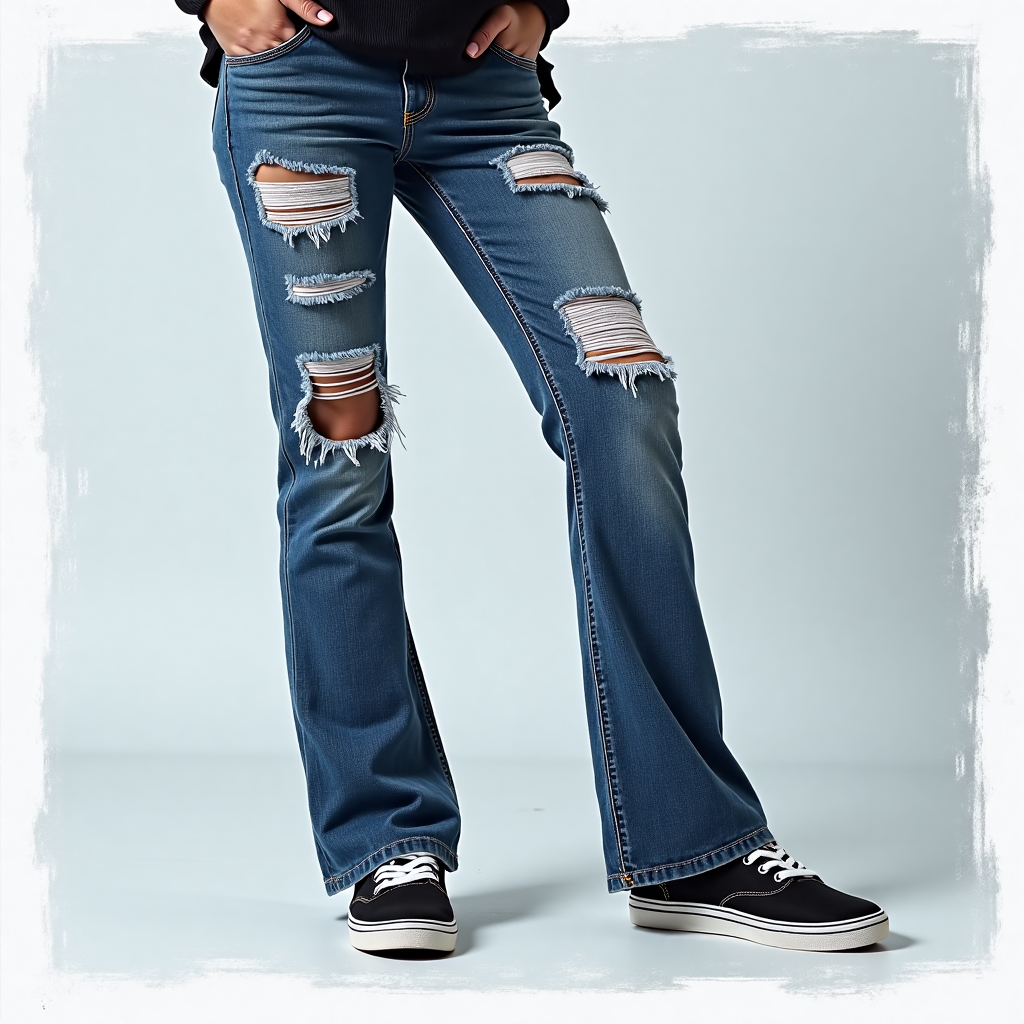
From Fashion Faux Pas to Fabulous: The Complete Guide to Repairing Ripped Jeans
For decades, a rip in your favorite pair of jeans meant a one-way trip to the rag bin or, at best, a downgrade to “lawn-mowing duty.” But today, ripped denim is a billion-dollar fashion statement. However, what happens when that intentional distressed look goes too far? When a small, stylish tear becomes a gaping chasm threatening modesty? That’s when the art of repair comes in. As a denim aficionado and long-time advocate for sustainable fashion, I’ve learned that mending ripped jeans isn’t just about salvaging a garment; it’s about extending a story, reducing waste, and adding a unique, personal touch that no factory-made distressing can replicate. Whether you’re dealing with a blown-out knee, a frayed pocket, or a seam that’s given up the ghost, this guide will walk you through transforming a potential loss into a beloved, one-of-a-kind piece.
Assessing the Damage: The First Step to Denim Salvation
Before you thread a needle or turn on the iron, take a moment to properly diagnose the wound. Not all rips are created equal, and the repair method depends entirely on the type and location of the damage. A thin, worn area requires a different approach than a clean, hard rip. Start by turning the jeans inside out and examining the tear closely. Feel the fabric around it—is it paper-thin and about to give way in other spots? Also, consider the jeans’ value to you. A beloved, broken-in pair is worth a more visible, decorative mend, while a simple fix might do for others.
Types of Common Jean Catastrophes:
- The Blown-Out Knee: The classic. Caused by bending, it’s often a wide hole with frayed edges and thin surrounding fabric.
- Inner Thigh Rub (The Chub Rub): A gradual wearing away of fabric from friction, creating large, thin areas that eventually become holes.
- Seam Splits: A clean rip along a stitched seam, often at the crotch or side. Usually one of the easier fixes.
- Pocket Tears: From keys, phones, or just old age, holes at the corner of back pockets are common.
- Frayed Hems & Cuffs: More of a wear-and-tear issue than a rip, but still affects the jeans’ longevity and look.
The Repair Toolkit: Essential Supplies for Denim Surgery
You don’t need a professional upholstery kit, but having the right materials makes the job infinitely easier and more durable. Your basic toolkit should include a sturdy sewing needle (denim or upholstery needles are thicker and stronger), thread (heavy-duty or actual denim thread in a matching or contrasting color), sharp fabric scissors, and pins or clips. For more advanced repairs, you’ll want to explore a few key items. Fusible interfacing or iron-on patches are the unsung heroes of denim repair. Placed behind the hole, they provide a stable, hidden foundation for your stitches. For visible mending, consider sashiko thread (a thick, soft cotton) and fabric patches (from other denim scraps, bandanas, or colorful prints). An embroidery hoop can be invaluable for stabilizing the fabric while you work, and a thimble will save your fingers during tough spots.
Mastering the Methods: From Invisible Fixes to Bold Statements
Here’s where we roll up our sleeves. Choose your method based on the damage assessment and your desired final look.
The Invisible Mend (For Seam Splits & Small Holes)
This technique aims to make the repair as discreet as possible. For a split seam, simply line up the edges, pin them, and sew a straight stitch along the original seam line, reinforcing both ends. For a small hole, use an iron-on patch on the inside. Apply it according to the package directions, then use a very fine, tight zigzag or straight stitch on your sewing machine (or a careful hand-stitch called a “ladder stitch”) to blend the edges of the hole into the surrounding fabric. The goal is to secure the patch and prevent further fraying without drawing the eye.
The Classic Patched Knee (A Functional Favorite)
This is the go-to for blown-out knees. It’s durable and has a timeless, utilitarian vibe. Cut a patch from spare denim or a contrasting fabric at least 1.5 inches larger than the hole on all sides. Place it behind the hole, pin it in place, and then use a simple running stitch or a machine zigzag stitch to sew around the edges of the hole, attaching the patch to the jeans. For extra strength and style, you can continue stitching in concentric rectangles or a radiating sunburst pattern. This method embraces the repair, making it a part of the jeans’ character.
Visible Mending & Sashiko (The Art of Imperfection)
This is where repair becomes an art form. Inspired by the Japanese practice of Sashiko (meaning “little stabs”), this technique uses repetitive, decorative stitching to reinforce and adorn a damaged area. Place a stabilizing patch behind the hole. Using thick thread, create patterns of running stitches over the thin or torn area. Common patterns include overlapping circles (like waves), interlocking rectangles, or simple parallel lines. This method doesn’t just fix the hole; it highlights the repair, telling a story of care and renewal. It’s perfect for large areas of thin fabric in the inner thighs.
Pro-Tips from a Decade of Denim Rescue
- Reinforce Before the Rip: See a thin, white area? Reinforce it from the inside with interfacing or a simple stitch grid before it becomes a hole.
- Embrace Contrast: Don’t feel shackled to blue thread on blue denim. A bright red stitch on indigo or a floral patch peeking through a knee tear adds incredible personality.
- Wash Gently: After mending, turn jeans inside out and wash on cold to protect your handiwork. Air-dry whenever possible, as high heat can weaken threads and adhesives.
- It Doesn’t Have to Be Perfect: The charm of hand-repaired items lies in their slight imperfections. Neatness is good, but a little character is better.
Conclusion: More Than Just a Fix
Repairing your ripped jeans is a small act of rebellion. It rebels against the fast-fashion cycle of wear-and-discard. It pushes back against the idea that damage is the end. Instead, it reimagines wear and tear as an opportunity—for creativity, for sustainability, and for personalization. A well-mended pair of jeans carries a history that’s literally woven into its fabric. They become uniquely yours, bearing the marks of your life and your care. So, the next time a rip appears, don’t despair. See it as a blank canvas. Gather your needle and thread, and give that trusted pair a second chapter. You’ll not only save a favorite item, but you’ll also cultivate a more mindful, resourceful, and stylish relationship with your wardrobe.